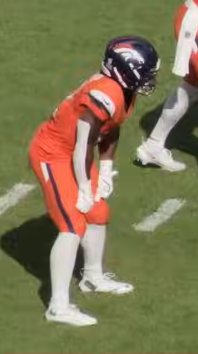
The mailbag question I keep getting is basically this: if Omarion Hampton and RJ Harvey can both play, why am I cooler on them than the room is?
Across the broader sample, Harvey averaged 14.4 carries, 4.4 targets, and a 63.2 percent snap share.
Even in the tighter tighter tracked sample, the passing-game piece stayed alive with 5.0 targets per game and a rising target-share flag.
In football terms, that matters because a back does not need 20 carries to matter if he is staying on the field for the passing downs.
Because talent is not the same thing as a clean fantasy job.
These two AFC West backfields are getting drafted like the coaches already finished the touch map. I do not think they have. Denver still behaved like a pass-first offense, and J.K. Dobbins still has enough live carry equity to make Harvey's path expensive. The Chargers still behaved like a pass-first offense too, and Kimani Vidal still has enough real usage on the record to keep Hampton from feeling as solved as the market wants him to feel.
Here is the shared mistake. Drafters are buying the spring trailer and calling it the whole movie.
"Am I being too hard on RJ Harvey?"
I get why Harvey is easy to click. What worked last year was useful, and it looked like the kind of role growth fantasy managers want to chase. Across the broader sample, Harvey averaged 14.4 carries, 4.4 targets, and a 63.2 percent snap share. Even in the tighter tighter tracked sample, the passing-game piece stayed alive with 5.0 targets per game and a rising target-share flag in FFN's role-trend file. In football terms, that matters because a back does not need 20 carries to matter if he is staying on the field for the passing downs that keep drives moving.
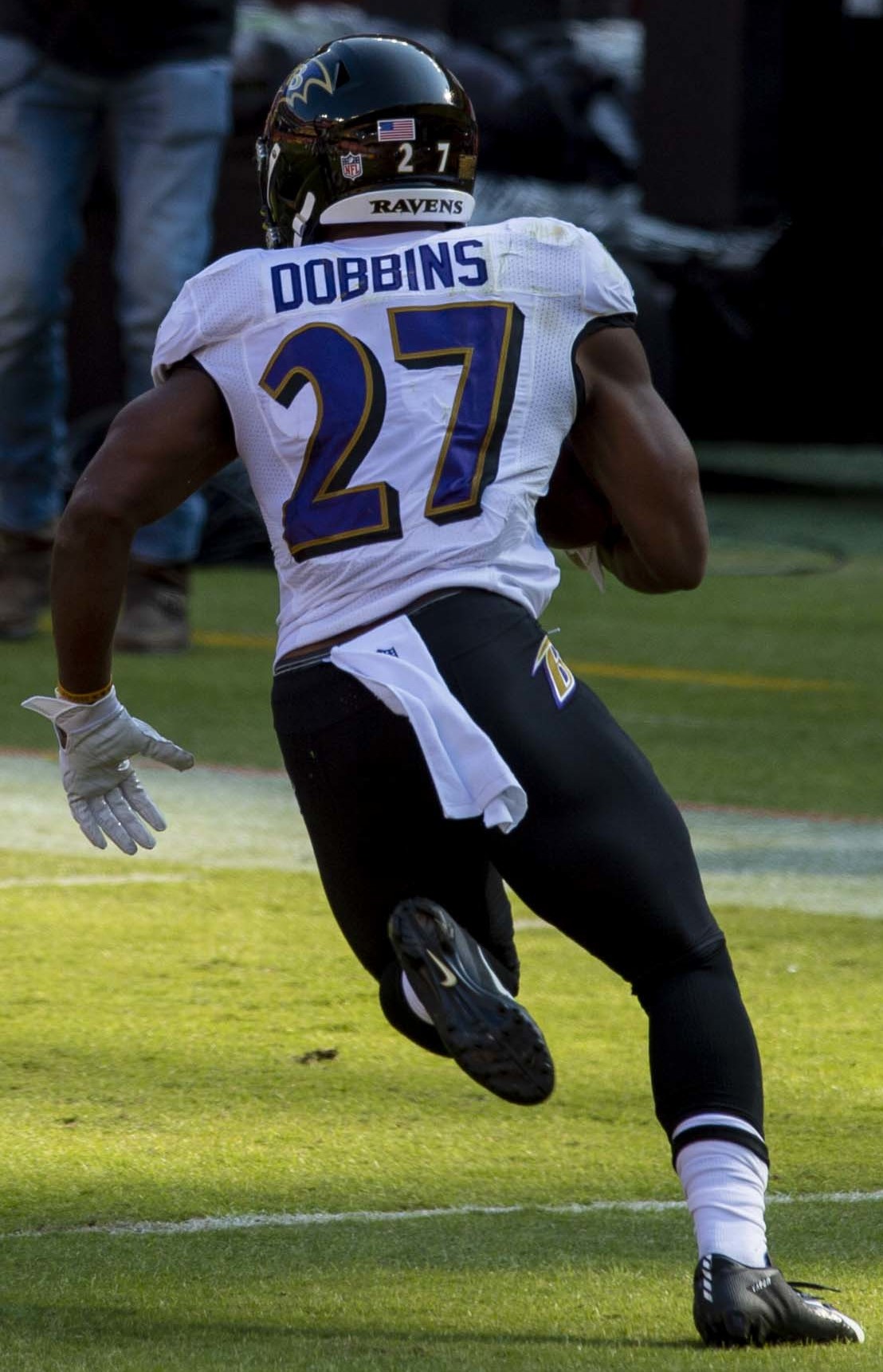
What changed now is the price started assuming that role growth means role control. Denver still threw on 63.28 percent of its plays last year, stayed at 63.58 percent in neutral situations, and still passed on 60.67 percent of its red-zone snaps. Sean Payton did not build a backfield-first offense. He built an offense that still wants to solve a lot of its problems through the air, which means Harvey needs the receiving role to stay strong just to protect his weekly floor. Then you add Dobbins, who averaged 16 carries and a 50 percent snap share late in the sample. That is not empty veteran residue. It is veteran carry volume that keeps a younger back from owning the boring but important part of the job.
What changed on the board is that FFN is refusing to pretend the tilt already happened. Harvey sits No. 93 overall in current PPR while the market is paying ADP 40, and Dobbins sits No. 67 overall with ADP 75. That split exists because Denver still gives Dobbins the carry floor while Harvey still needs the receiving role to do heavy fantasy lifting in a pass-first offense.
Draft action: at ADP 40, I am passing on Harvey. If he slides a round or two, then you are drafting growth instead of forcing certainty. If I want Denver running back exposure at cost, Dobbins is the cleaner click because his path to usable touches requires fewer assumptions. Failure case: if Harvey keeps the target edge and the valuable touches start swinging with it, he can beat this read fast.
"Then why am I still out on Hampton if the talent is even better?"
Because the better the talent, the easier it is to hide the price problem.
What worked last year for Hampton was real. Across the broader sample, he averaged 14 carries, 3.8 targets, and a 52.2 percent snap share, and his latest tracked week jumped all the way to an 81 percent snap rate with 14 carries and 8 targets. It is exactly the kind of finish that should put a player on your radar. The talent case is not fake. The usage growth is not fake either. The problem is that his current draft cost is asking you to treat promising growth like a finished backfield.
What changed now is not just Hampton's momentum. The Chargers still threw on 63.32 percent of their plays, stayed at 62.06 percent in neutral situations, and still passed on 59.54 percent of their red-zone snaps. That matters in football terms because early running backs need easy touchdown math. A pass-forward red-zone offense gives you fewer easy weeks. Then there is Vidal. He was officially re-signed by the Chargers on April 14, and his earlier usage already showed why he matters. In the three games before his late slide, Vidal averaged 14.67 carries and a 65.67 percent snap share. He does not have to beat Hampton to damage the price. He only has to keep enough changeup work, passing-down snaps, or rotation touches alive to stop Hampton from becoming the clean monopoly role that ADP 12 is buying.
FFN is much colder than the market. Hampton sits No. 55 overall in current PPR, and the board labels him an avoid at the current price. That gap exists because the room is paying for three things before they happen: cleaner snap control, cleaner touchdown access, and a quieter backfield. Good players can survive one loose end. Expensive backs start sweating when the role still has three of them.
Draft action: at the 1-2 turn, I am passing on Hampton. If he falls into a range where you are buying upside without pretending the offense already changed shape, that is a different conversation. At the current bill, you are paying for the Chargers to make life simpler than they made it last year. Failure case: if camp makes it obvious that Hampton is the one back they cannot keep off the field, this take can get old in a hurry.
Draft verdict
Here is the rule I would actually use in the room: do not draft the clean story, draft the role that already survives contact.
Harvey needs the target advantage to keep doing real work, Dobbins to lose carry gravity, and Denver to make the valuable touches easier to trust. Hampton needs the snap share to harden, the red-zone math to get friendlier, and Vidal to stop being relevant. That is too much invisible labor for one pick.
Draft verdict: pass on Hampton at cost. Pass on Harvey until the room gives you a discount. If you want a Denver backfield piece right now, Dobbins is the cheaper way to buy proven workload. If you want the Chargers room, wait for the market to stop drafting the ending.
Your job is not to finish the depth chart for the coaching staff. Your job is to draft the part of the role the team has already shown you.
Final draft verdict: I am passing on the clean story in both AFC West backfields at current cost.