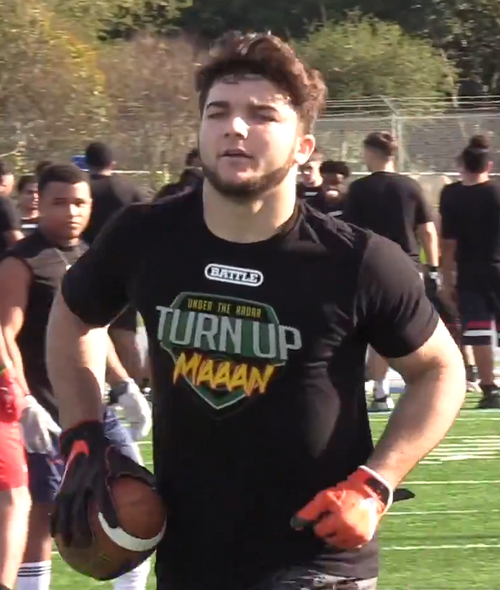
The year-two conversation still gets trapped in rookie priors. In fantasy, I care more about runway. If a second-year player already has a believable path to touches or targets on his current roster, I can draft him. If the room is still crowded, I am happy to wait.
The second-year players with real runway Tetairoa McMillan, CAR WR13 in PPR is already starter pricing.
Tyler Warren, IND TE2 in half-PPR tells you this is already a weekly-starter bet.
Quinshon Judkins, CLE RB16 in standard is the kind of year-two price I take seriously.
The second-year players with real runway
Tetairoa McMillan, CAR
WR13 in PPR is already starter pricing. Carolina's receiver room is light enough that his case comes down to immediate volume, not waiting for a veteran logjam to clear. Draft him when you want second-year upside that can actually hit your lineup early, and accept that the learning curve is the only real speed bump.
Tyler Warren, IND
TE2 in half-PPR tells you this is already a weekly-starter bet. Indianapolis can justify that because the role is there, even if the quarterback room still carries some recovery uncertainty. I would pay for the usage, while remembering young tight ends can still frustrate when the passing game takes time to settle.
Quinshon Judkins, CLE
RB16 in standard is the kind of year-two price I take seriously. Cleveland does not need him to win a target battle, only to become the backfield answer faster than the rest of the room. Bet on the workload, but remember shaky offense can still turn good volume into ordinary fantasy weeks.
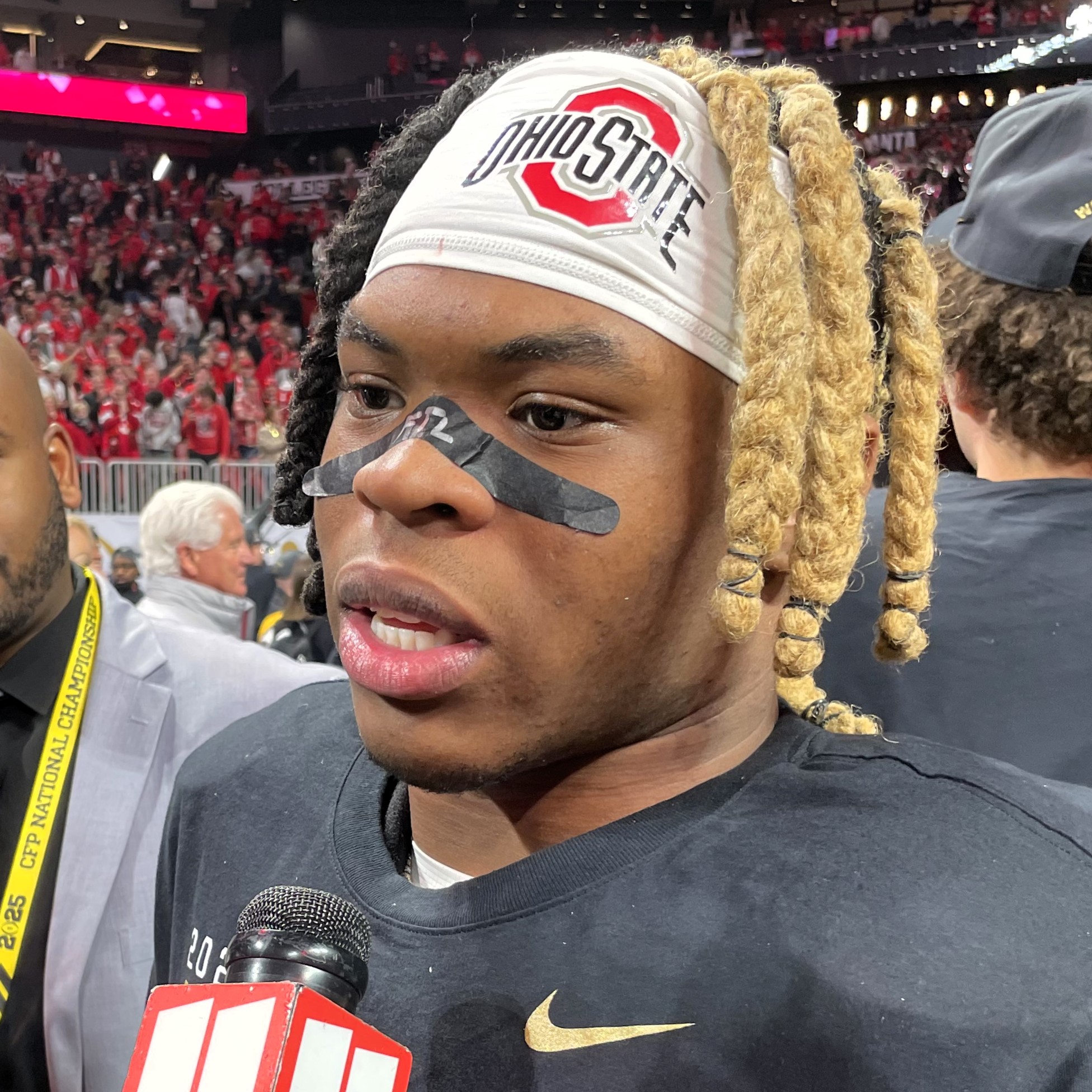
Omarion Hampton, LAC
RB19 in standard is the better clue than his full-PPR sticker. The Chargers already have Justin Herbert and Ladd McConkey to keep the offense functional, so Hampton only needs enough of the backfield to matter. He is a strong draft target in rooms that lean away from full PPR, with committee risk as the obvious way it goes sideways.
TreVeyon Henderson, NE
RB30 in PPR is why he looks better in catching formats. Rhamondre Stevenson is still sitting in front of him on the boring early-down work, but the receiving role is open enough to matter fast. He is a bench pick I like for flex juice, and a much shakier bet once your format rewards receptions less.
RJ Harvey, DEN
RB31 in standard keeps him in the upside-depth tier instead of the must-draft tier. Denver added Jaylen Waddle and still has J.K. Dobbins plus Courtland Sutton, so Harvey's appeal is about becoming the back you trust most, not carrying the offense. I like the swing, but only if you are comfortable with the role still needing to sort itself out.
Good players, but the room is charging you already
Emeka Egbuka, TB
WR18 in half-PPR is year-two breakout pricing, not a discount. Tampa already has Bucky Irving and Chris Godwin commanding real attention, so Egbuka needs his share to arrive quickly to beat the sticker. I am in on the player, but not on paying up for a target tree that is not fully his yet.
Cam Skattebo, NYG
RB15 in half-PPR is the clue that drafters expect the Giants backfield answer to arrive fast. Tyrone Tracy is still there, so this is really a bet that New York settles on Skattebo instead of dragging the split out. I get the appeal, but the room is already making you pay for a clean outcome.
Jaxson Dart, NYG
QB19 in PPR makes him a stash, not a plan. Malik Nabers gives him a real anchor, and Cam Skattebo plus Darnell Mooney give the offense enough support to imagine a fantasy runway. In single-QB drafts, though, I only want the cheap patience play, because young quarterback timelines can still lag behind the weapon quality.
More watchlist than target list
Travis Hunter, JAX
WR48 in standard is still mostly a headline tax. Jacksonville already has Brian Thomas, Jakobi Meyers, and Parker Washington, so Hunter needs the weekly role to declare itself before he becomes startable. He is fine as a bench lottery ticket, but I would rather let someone else pay for the uncertainty.
Matthew Golden, GB
WR44 in standard would be more tempting in a thinner receiver room. Green Bay already makes you sort Christian Watson, Jayden Reed, and Tucker Kraft before Golden even gets his share. Talent is not the issue here, traffic is, which makes him more watchlist than target.
Luther Burden, CHI
WR57 in PPR is fair, and that is exactly why I am not reaching. Chicago also asks you to sort Rome Odunze, Colston Loveland, and D'Andre Swift touches, so Burden enters a room that already has established mouths to feed. He belongs on the monitor list until the target map gets cleaner.
Colston Loveland, CHI
TE24 in PPR is a reminder that young tight ends still need a real runway, even in good offenses. Chicago also added Burden and already funnels work to Rome Odunze and Swift, so Loveland walks into a target map that is crowded before it is friendly. I would rather track the role growth than draft the hope.
Jacory Croskey-Merritt, WAS
RB22 in standard is the sneaky clue that Washington could create useful backfield volume faster than people think. Jayden Daniels gives the offense juice, and Rachaad White is more speed bump than wall if the coaching staff wants fresh legs in the backfield. He is the kind of later swing I like once the obvious names are gone.
Elic Ayomanor, TEN
WR50 in PPR says the Titans still see him as a depth bet, not a featured answer. Tony Pollard and Wan'Dale Robinson already have clearer fantasy lanes, so Ayomanor needs the receiver pecking order to shake loose before he matters in typical leagues. He is more stash-and-watch than draft-and-start.
Draft verdict
The year-two rule I trust right now is simple: draft runway, not resume. McMillan, Warren, Judkins, Hampton, Henderson, and Harvey already have believable paths to matter. Egbuka, Skattebo, and Dart are fine only if the room cools off. Hunter, Golden, Burden, Loveland, Croskey-Merritt, and Ayomanor are better watchlist names than draft-room priorities.