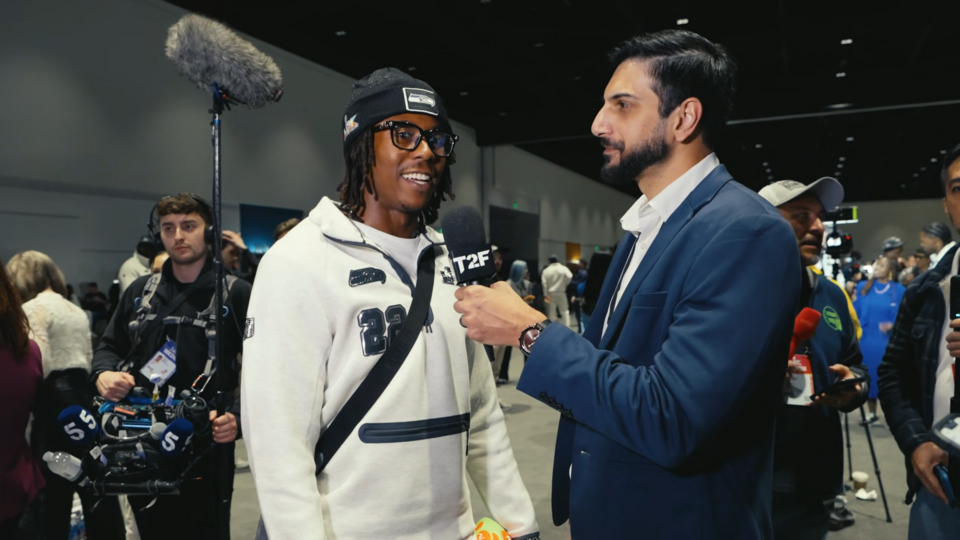
Rashid Shaheed is not a volume bet in Seattle. He is a role bet: draft him late only if you are buying a designed vertical job, not hoping a crowded target tree accidentally turns into weekly WR3 usage.
He is a role bet: draft him late only if you are buying a designed vertical job, not hoping a crowded target tree accidentally turns.
In the broader tracked window, he averaged 5.0 targets with a 26.7% air-yards share and a 44.2% WOPR.
His role-trend profile was strong down the stretch, with the broader tracked window showing 10.4 targets and a 91.9% WOPR.
That move should be clear before we get into any rank or price. Shaheed fits as a bench spike-week stash after the safer receiver tiers are gone. If his cost climbs into the range where you need bankable catches, let someone else pay for the highlight reel.
The useful comp is the field-stretcher with a real weekly plan
The cleanest historical comp for Shaheed is not one specific player. It is the archetype: the late-round speed receiver who can matter because the offense keeps giving him valuable downfield routes. Those receivers do not need a full target-hog profile to swing a matchup. They need enough intentional air-yards work that one broken coverage or one perfect shot can show up in your lineup.
That is the good version of Shaheed. His tracked profile already showed that shape before the role thinned out. In the broader tracked window, he averaged 5.0 targets with a 26.7% air-yards share and a 44.2% WOPR. That is not alpha usage, but it is enough fantasy oxygen for a bench receiver whose job is to create spike weeks.
The closing sample is the warning label. The same role-trend file shows the target access and WOPR sliding hard late in the tracked sample, which is exactly how this kind of player gets frustrating. Speed can help an NFL offense without helping your fantasy roster. If the route is mostly clearing space for someone else, you drafted a decoy with a fun player page.
That is why the Seattle fit has to be specific. The roster file puts Shaheed with Jaxon Smith-Njigba, Cooper Kupp, Tory Horton, and a long list of other receiver bodies. He does not need to beat all of them for every kind of target. He needs to own the part of the route tree that makes his speed matter.
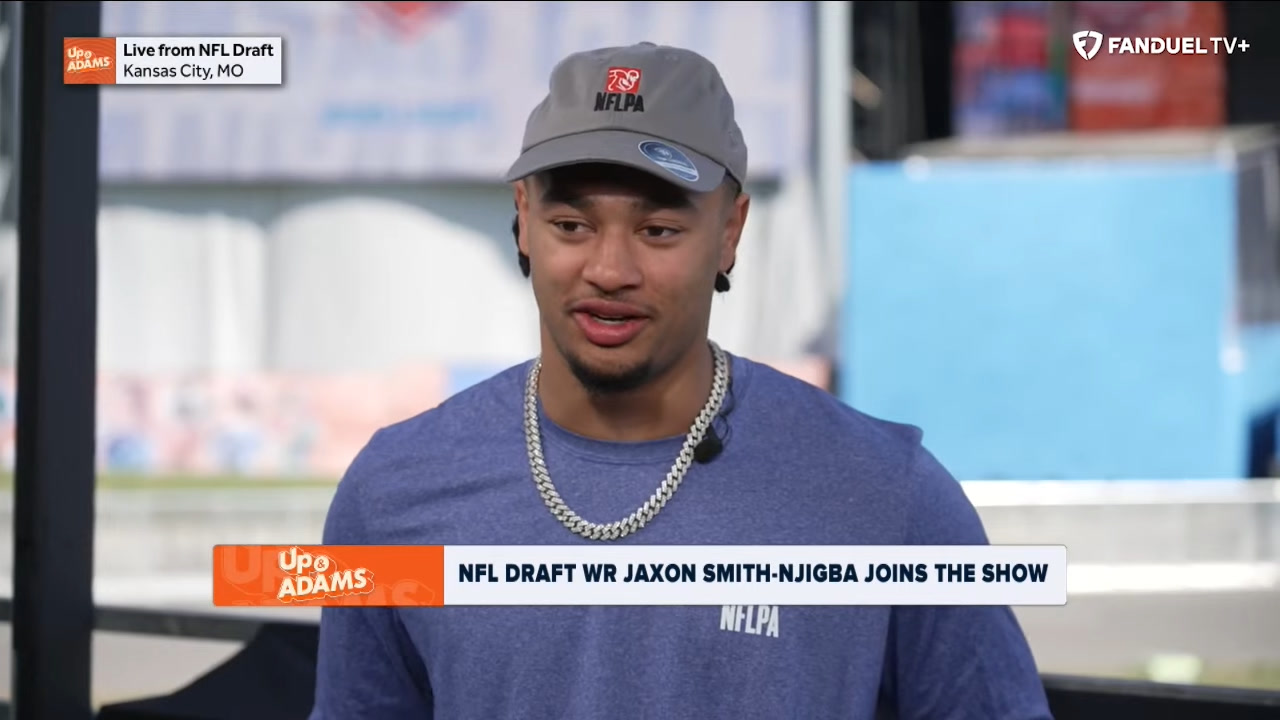
Seattle can support the shot, but not the lazy version of it
Seattle's team profile is not an open invitation to draft every secondary receiver. The Seahawks posted a 52.9% pass rate and a 54.1% neutral pass rate in the team tendency file. That leaves room for a vertical package, but it does not create enough raw passing volume to make leftover routes a good fantasy plan.
Smith-Njigba is the key obstacle and the key clue. His role-trend profile was strong down the stretch, with the broader tracked window showing 10.4 targets and a 91.9% WOPR. If Seattle's pass game keeps flowing through that kind of first read, Shaheed cannot win by climbing a normal target ladder one rung at a time.
So do not draft him as if the target tree is secretly empty. Draft him only if the offense gives him a different job: stretch coverage, threaten safeties, and get real shot plays instead of cardio routes. That is a smaller bet, but it is also a cleaner one.
The line that makes the whole bet work: Shaheed does not need Seattle to make him a star. He needs Seattle to make his speed a feature instead of a decoration.
Darnold does not have to be a fireworks quarterback
Sam Darnold matters here because Seattle's passing design has to turn Shaheed's vertical routes into actual throws. The roster file lists Darnold in Seattle, and his tracked quarterback profile reads more structured than chaotic. Late in the tracked sample, he averaged 29.0 attempts with positive completion percentage over expected, while his recent air-yards-to-sticks number sat on the modest side.
That can work for Shaheed if the vertical shots are built into the plan. He does not need Darnold to play like a constant deep-ball merchant. He needs a few throws each week where the route is part of the progression, not the thing that pulls a safety away from Smith-Njigba or Kupp.
Seattle's tendency profile gives the staff some tools for that. The Seahawks showed a 45.3% motion rate and a 10.6% play-action rate, which can help create cleaner downfield looks when used with purpose. The coaching file lists Mike Macdonald as head coach and Brian Fleury as offensive coordinator, so the summer question is not name value. It is whether this staff builds a repeatable Shaheed package with the first-team offense.
The failure case is obvious. Darnold can run a functional passing game, Smith-Njigba can remain the priority, Kupp can soak up shorter-area work, and Shaheed can still be good for Seattle without being good for your weekly lineup. That is the difference between a football role and a fantasy role.
The price helps, but it is not the argument
At publication, the rankings context is friendly to Shaheed. In PPR, he sits at WR51 with a value label, a medium confidence band, and a low projection confidence band. That combination is exactly why the football mechanism has to come first. The price says there is room for profit. The confidence profile says the floor can disappear.
So the move is simple. Draft Shaheed late when your receiver room already has stability and you want one more path to a spike week. Push him up only if summer usage shows designed vertical work with Darnold and the main offense. Pass if you need predictable catches, or if the market starts treating him like a weekly starter.
That is not a fade. It is a narrower yes. Shaheed can matter in Seattle, but only if the Seahawks give him the one job that actually pays fantasy bills.