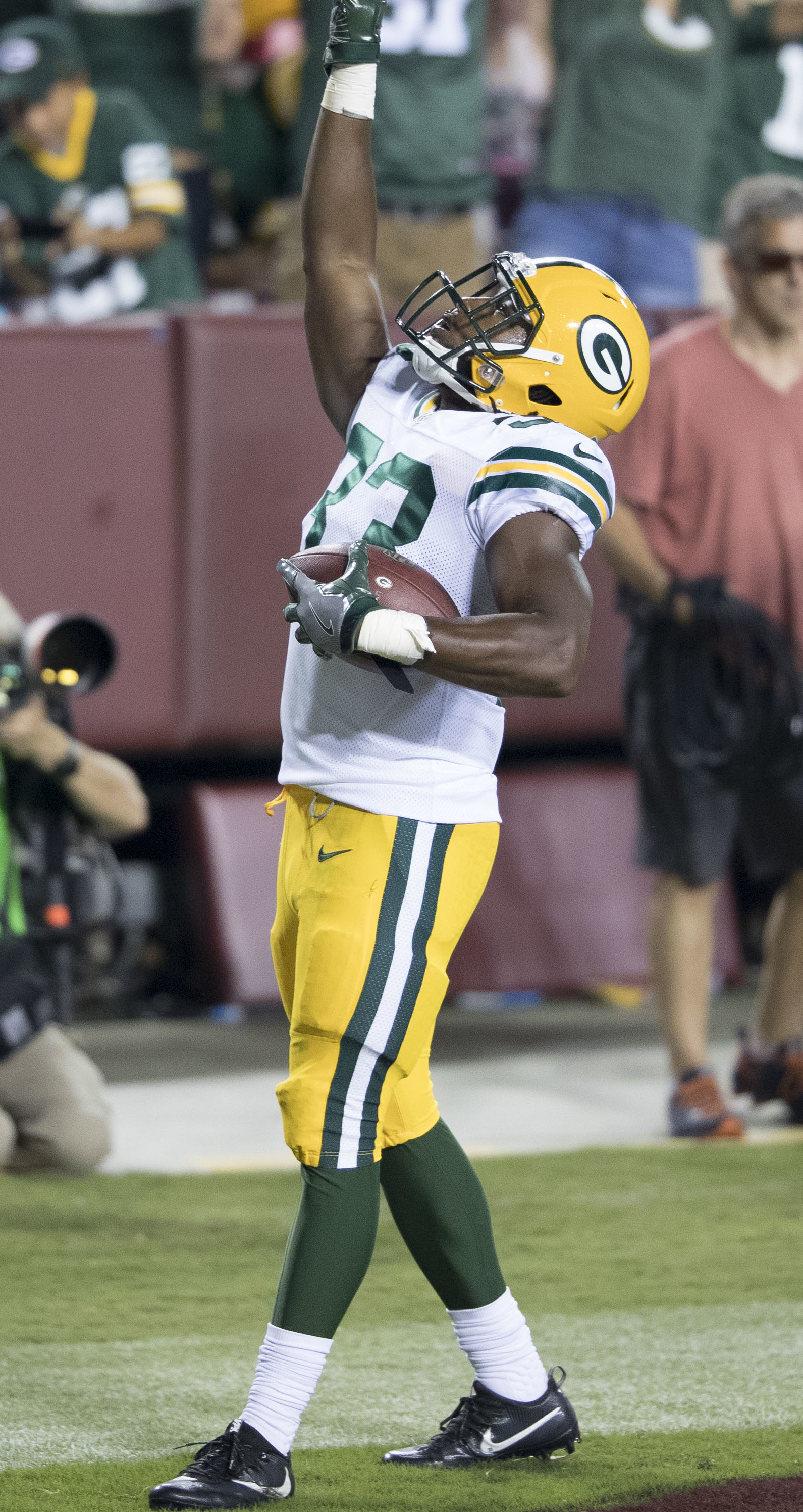
Minnesota did not add Demond Claiborne to make Aaron Jones undraftable. It added just enough backfield traffic to make Jones a role bet instead of a volume shortcut.
That is the move by the second paragraph: draft Jones only after the safer running back tier, and only as a conditional RB3.
Down the stretch, FFN role data had him at 17 carries and 3.3 targets in the closing window.
In the broader tracked window, Mason averaged 8.6 carries and barely registered in the passing game.
That is the move by the second paragraph: draft Jones only after the safer running back tier, and only as a conditional RB3. If the cost assumes the Vikings backfield is already clean, wait. Jordan Mason becomes the cheaper contingency click for rushing access, and Claiborne becomes the stash for benches that can afford patience.
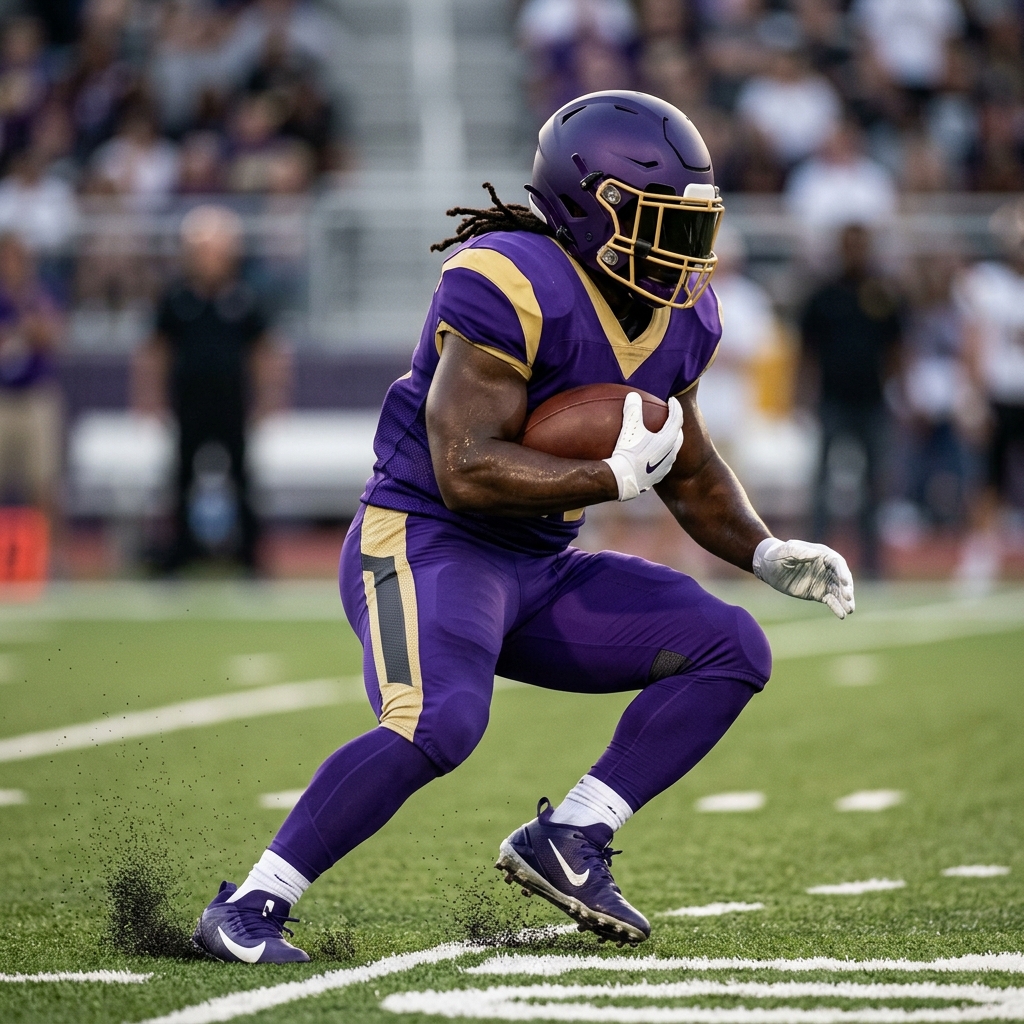
This is not an age take dressed up as strategy. It is a touch-quality take. Jones can still matter if he owns the passing-down lane, trusted late-game snaps, and enough high-leverage work to survive in a Minnesota offense that does not have to hand one back every carry. The direction and content of the bet matter more than style points: role first, projection noise second.
The pick gets fragile when you draft him like that work is promised.
Scenario 1: Jones keeps the passing-down lane
The best Jones case is still real. Down the stretch, FFN role data had him at 17 carries and 3.3 targets in the closing window. That is not empty veteran name value. That is a back still getting enough work to matter when the offense gives him the right kind of touches.
The snap context is why this cannot be waved away. Jones' closing-window snap rate sat at 62.3%, while the broader tracked window was closer to 53.8%. The gap is the entire draft decision. If you are buying the late version, you are buying a usable veteran. If you are buying the broader committee version at the same cost, you are paying for comfort.
The football mechanism is simple: Jones does not need to win every early-down carry. He needs the snaps that keep him attached to passing situations, hurry-up work, and the offense's most valuable touches. In PPR builds, that path can still work as an RB3 because catches can smooth out a week that rushing volume alone might not save.
The failure case is just as clear. If the Vikings treat Jones as one piece of a three-back rotation instead of the trusted receiving back, the draft pick becomes touchdown-dependent fast. That is not where you want a veteran back priced.
Scenario 2: Mason keeps the early-down split messy
Mason is not the exciting answer. That is why he matters.
His tracked profile was much more rushing-driven than receiving-driven. In the broader tracked window, Mason averaged 8.6 carries and barely registered in the passing game. That does not make him a standalone target in every room, but it does make him dangerous to the Jones bet.
The reason is role friction. Mason does not have to become the starter to hurt Jones. He only has to keep enough early-down work to make Jones' weekly touch count depend on receptions and scoring chances. That turns Jones from a default lineup answer into a format-specific veteran.
At publication, the FFN roster context has Mason going after Jones. That price gap is the usable part. If Jones costs too much for a backfield with multiple outs, Mason is the cheaper way to bet that Minnesota's rushing work stays annoying. You are not drafting Mason because the ceiling is cleaner. You are drafting him because the split does not have to be clean for his cost to make sense.
The risk with Mason is also obvious. If he stays a low-target grinder, he needs either more rushing volume or a Jones miss to become useful. That makes him a contingency bet, not the main answer.
Scenario 3: Claiborne turns patience into the sharper stash
Claiborne should not be treated like an instant veteran eraser. FFN's draft-prospect file lists him as a 2026 rookie running back from Wake Forest, and the Vikings roster has him behind a veteran room that already includes Jones and Mason.
That matters because the Claiborne case is timing, not certainty. He gives Minnesota another way for this backfield to avoid settling into one obvious fantasy role. If Jones keeps the receiving work and Mason keeps enough early-down volume, Claiborne can spend the early part of the season as a watch-list name. If either veteran role weakens, the stash gets more interesting quickly.
The draft move is narrow: Claiborne belongs in deeper benches, dynasty formats, or rooms where Jones and Mason are both pushed above their clean role value. In normal redraft builds, he is not the priority over a usable weekly back. He is the patient bet on a backfield that now has more than one way to change.
The failure case is developmental time. If Claiborne is not trusted early, the better redraft move was waiting for waivers instead of spending a bench spot in May.
The offense points back to receiving work
Kevin O'Connell and Wes Phillips are the reason this article should stay on football situation instead of turning into a spreadsheet argument. Minnesota's 2025 tendency profile leaned pass-first, with a 59.4% neutral pass rate and a 66.9% red-zone pass rate.
That environment helps Jones only if he is the back attached to the throws. It hurts him if drafters are counting on raw rushing volume or easy goal-line touchdowns. A pass-leaning offense can create valuable running back touches, but it can also make every lost carry louder when the backfield has three plausible answers.
That is why the model split is useful but not decisive. The weekly model lab flagged Jones with an 81-spot cross-system divergence, with the higher view depending on a much friendlier role assumption than the lower view. The takeaway is not "draft him because one system likes him." The takeaway is to run the board through the role question first.
If Jones keeps the receiving lane, the optimistic case has a real football path. If Mason and Claiborne crowd the work, the cautious case is not being stubborn. It is just admitting the role has more ways to break.
Final draft rule
Draft Jones when the pick buys the role, not the name.
I am comfortable with Jones as a conditional RB3 after the safer tier, especially in formats where receptions matter. I am not comfortable paying for him like Minnesota already promised a clean feature job. The Vikings kept him in the building on a revised 2026 contract, but adding Claiborne after having Mason on the roster tells you the room still has multiple possible endings.
The cleanest rule is this: if Jones falls, draft the receiving role. If he climbs, draft the discount behind him. Mason is the cheaper bet on early-down friction. Claiborne is the stash if your bench can wait.
The edge is not solving the Vikings backfield before Minnesota does. Draft Jones at RB3 cost, wait for Mason if the price runs, and stash Claiborne only when your bench can be patient.