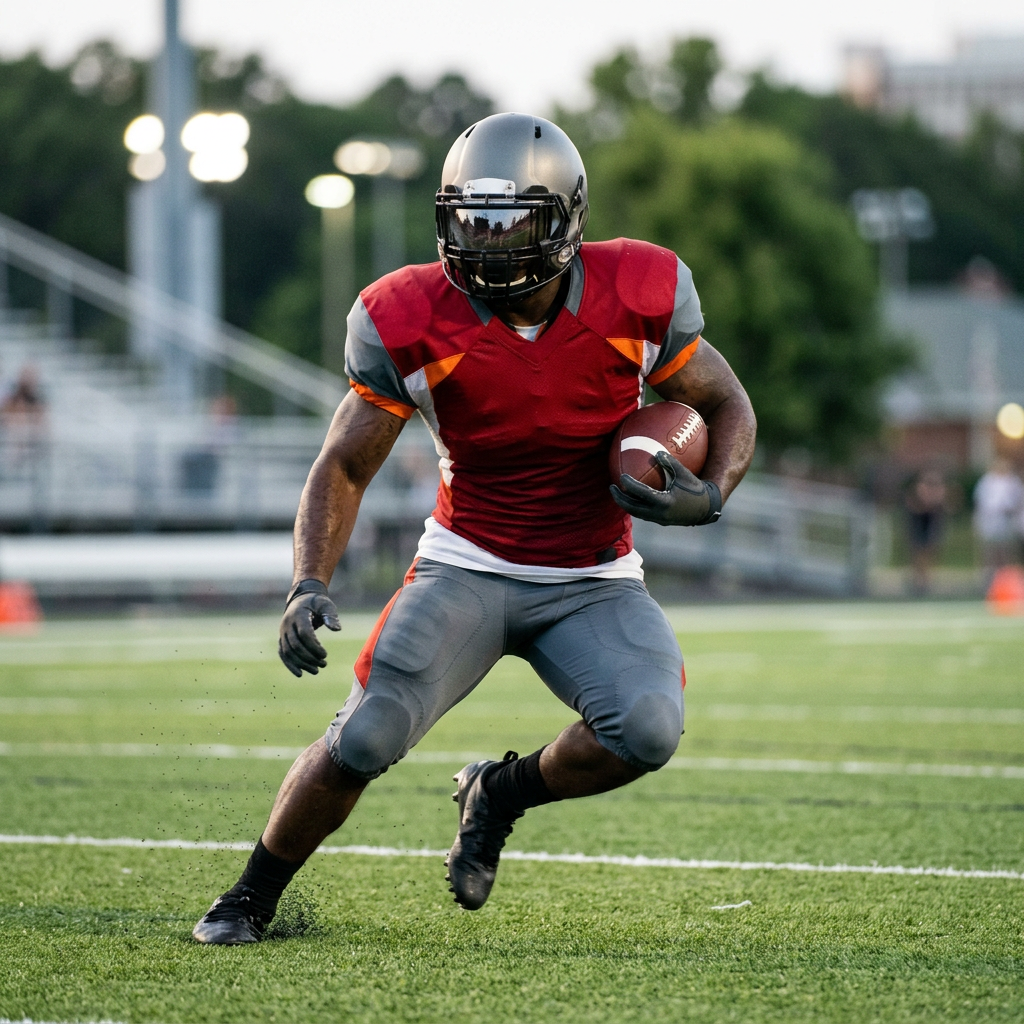
Tampa did not just move Bucky Irving up a depth chart. It changed the bet fantasy managers are making.
Tampa's team profile still gives backs a usable scoring path, with the Bucs averaging a red-zone rush rate a little over 40 percent.
Irving has first claim on the touches that can make a weekly RB2 feel stable.
Irving sits around RB17 on FFN's PPR and half-PPR boards, where the price expects more than a committee lead.
The old question was whether Irving could separate from Rachaad White. The new answer is conditional: draft Irving after the first running back tier when you need a starter with touchdown access, but stop before the price assumes Kenneth Gainwell and Sean Tucker have disappeared. This is the situational opportunity that matters more than heavy projections or ADP gaps.
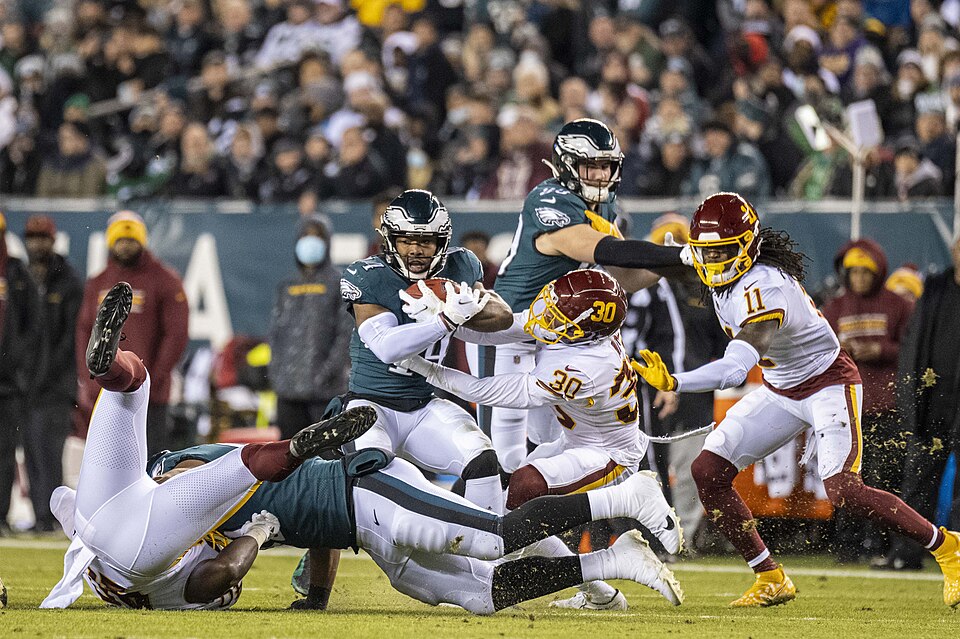
It does not make Irving a blank-check pick. Draft the lead role. Do not pay as if every passing-down touch has already been handed to him.
The anchor bet is real
Irving earned the first part of this argument before the roster changed. Down the stretch, his usage moved from interesting spark to real backfield pressure. He was living around the high-teens in carries in the broader tracked window, and his snap share pushed into starter territory rather than gadget territory.
That is why the football case matters. This is not just a price argument dressed up as analysis. A back who already had rising snap share and strong recent volume now sits atop a depth chart where White is no longer listed with Tampa in the current FFN roster file.
The move is to draft Irving for the rushing lane first. Tampa's team profile still gives backs a usable scoring path, with the Bucs averaging a red-zone rush rate a little over 40 percent across the tracked team sample. If Irving gets first claim near the goal line, he does not need to become Christian McCaffrey Lite to matter.
The catch is the catch work. His receiving involvement did not separate the way his carries did. That is why the better sentence is not "Irving gets everything." It is this: Irving has the first claim on the touches that can make a weekly RB2 feel stable.
White leaving changes the split
White's departure matters because he was the one back who could make last year's division of labor stick. Even when Irving was taking on the more useful rushing work late, White still had enough rotational and passing-game trust to keep the weekly map from fully consolidating.
Now the Bucs do not have to divide the same job between the same two backs. Current roster data has White with Washington, while Tampa's fantasy-relevant backs are Irving, Gainwell, and Tucker. That is a different backfield, not just a different ADP page.
Price discipline still matters. At publication, Irving sits around RB17 in FFN's PPR and half-PPR views, with a market price that already expects him to be more than a committee lead. That is workable if you are buying the rushing and red-zone role. It gets thin if you are also paying for a receiving ceiling that has not been fully earned.
The usable path is exposure, not blind aggression. If Irving falls after the first wave of backs and you need someone who can actually lead his team in carries, take him. If the draft pushes him into a range where every back around him has a cleaner passing-game claim, let someone else buy the perfect version.
Gainwell is the pressure point
Gainwell is not the reason to fade Irving. He is the reason to keep the bet honest.
His profile points toward passing-down friction more than a true early-down challenge. In his own tracked sample, the louder fantasy signal was receiving involvement and flexible relief usage, not a dominant rushing claim. Tampa does not need him to beat Irving between the tackles for him to matter. He only needs to take enough protection, hurry-up, and checkdown work to make Irving more touchdown-sensitive in PPR.
That is the pressure point. If Gainwell is only the spare back, Irving's weekly floor looks much cleaner. If Gainwell becomes the trusted passing-down answer, Irving can still be good, but the ceiling starts needing more touchdowns and game-script cooperation.
Do not turn that into panic. In deeper formats, Gainwell is a handcuff-plus name if summer usage points to real third-down work. In normal redraft, he is more useful as a warning label on Irving's price than as a separate pick you have to force.
Tucker is the contingent stash
Tucker is the other reason this should not become a one-back coronation. The problem is that his 2025 usage did not scream standalone committee piece. In the closing sample, he was closer to a low-snap relief back than a weekly part of the plan, and his snap trend moved the wrong way.
That makes his fantasy use simple. Tucker is a deep-bench stash if the cost is nearly free and your league rewards patience. You are not drafting him for September usability. You are drafting him because Tampa may still want a second early-down body if camp points that way or if Irving misses time.
The failure case is easy to see. Tucker stays in the low-snap relief role, Gainwell takes the passing-down work, and the backfield is still Irving first without giving Tucker enough weekly touches to start. That version looks better on a depth-chart screenshot than it feels in a lineup.
The offense helps the bet, but it also caps the easy volume
The best version of this offense helps Irving because Tampa can reach scoring position without treating him as the whole engine. Baker Mayfield gives the Bucs enough passing structure, and the receiver-tight end group with Emeka Egbuka, Chris Godwin, Jalen McMillan, and Cade Otton keeps defenses from loading every answer into the box.
That same depth is why the receiving projection should stay restrained. Tampa's tracked team sample leaned pass-first overall, and the offense has enough receiving options that dump-offs do not have to be the default answer. If Gainwell gets the obvious passing downs and the targets spread through the wideouts and Otton, Irving's week can become more dependent on rushing volume and touchdowns.
That is not a deal-breaker. It is the shape of the bet. Irving does not need every soft target to work. He needs the first carry lane, the first scoring-area lane, and enough passing-down leakage that he is not coming off the field every time Tampa speeds up.
The line worth remembering: the role got cleaner, not limitless.
Draft verdict
Draft Irving as Tampa's lead role bet after the first running back tier. He fits builds that start with wide receiver, quarterback, or tight end and need a back who can plausibly lead his team in carries without asking the offense to become something it is not.
Pass when the price asks you to buy the whole backfield. Gainwell can still matter on passing downs, Tucker can still keep the rotation from getting too thin, and Tampa's pass-catching group is good enough to win without turning Irving into the entire weekly plan.
That is the edge here. Bet on Irving's cleaner lane. Stop before the price charges you for a role Tampa has not actually promised.