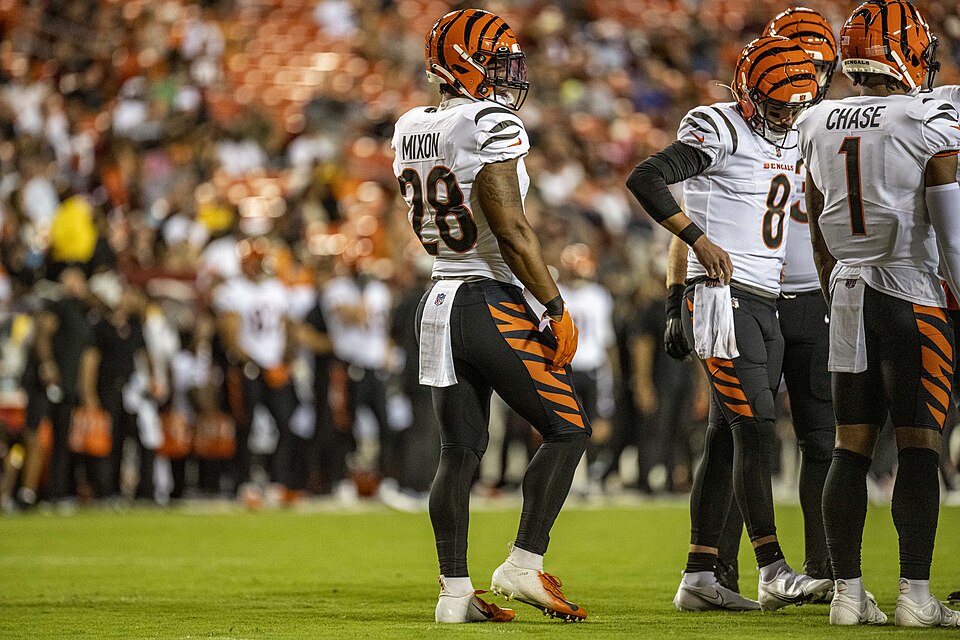
A defensive tackle trade can change fantasy football. It just does not change every fantasy format the same way.
In the broader tracked season view, the Bengals were the friendliest half-PPR matchup for both positions, allowing 26.1 points per game.
Cincinnati allowed 5.2 yards per carry to running backs in the tracked season profile, with RBs scoring 13 rushing touchdowns.
At publication, Ja'Marr Chase carries ADP 3 and Chase Brown sits at ADP 18 in PPR, while Tee Higgins and Joe Burrow are still their own.
Dexter Lawrence landing in Cincinnati should make managers tighten the way they treat Bengals matchups, especially for running backs, tight ends, D/ST streamers, and IDP leagues. The move is to wait on Cincinnati as a standard D/ST, stop treating the Bengals as an automatic RB and TE green light, and target Lawrence only in formats where defensive linemen actually score enough to matter.
That is the whole point. The Bengals defense bet has changed. Do not use it to lift every Bengals offensive player.
The trade changes the front, not the entire board
FFN's transaction-impact file lists Lawrence as officially traded from the Giants to the Bengals on April 20, with Cincinnati as the new team and DT as the position. That is the verified football change. The fantasy read has to flow from what a disruptive interior defender can actually affect.
What worked for fantasy managers last season was attacking Cincinnati with backs and tight ends. In the broader tracked season view, the Bengals were the friendliest half-PPR matchup for both positions, allowing 26.1 points per game to RBs and 17.5 to TEs. This was not a tiny leak. It was a weekly note managers could use.
Lawrence gives Cincinnati a real answer to part of that problem. Interior disruption can muddy early downs, squeeze rushing lanes, and make short-yardage work less comfortable. It can also create longer passing downs, which is where D/ST scoring starts to become possible.
The failure case is just as clear: one excellent tackle does not automatically fix the entire defense. If the structure around him still leaks explosives or cannot turn pressure into sacks and takeaways, the fantasy upgrade stays smaller than the real-life upgrade.
This trade should move your matchup pencil, not your entire draft board.
Standard redraft: wait on the Bengals D/ST
In normal redraft, Cincinnati belongs on the watch list. Not the reach list.
Team defenses need more than a name. They need pressure that turns into sacks, forced mistakes, and enough weekly matchup support to survive bad spots. Cincinnati averaged 2.0 defensive sacks per game last season in FFN's team-tendencies file. Lawrence can help that number, but the Bengals still have to prove the rush and coverage work together before managers pay for the unit.
That makes the draft action boring in the useful way: wait. If Cincinnati opens against shaky offensive lines or turnover-prone quarterbacks, the Bengals can become a streaming option. If the early games show the run defense has tightened and the pressure rate is traveling, then the rank can move. But drafting the defense early because the headline is loud is paying for the conclusion before the evidence arrives.
The better standard-league play is to adjust matchup assumptions first. Cincinnati should no longer be treated as a free square for fringe RB2s, touchdown-dependent tight ends, or lazy weekly streamers. The Bengals were too friendly last year to erase the label in April, but Lawrence is strong enough to make the old green light less automatic.
IDP leagues: this is where Lawrence bites first
IDP is the cleanest fantasy lane for this move because Lawrence does not need Cincinnati to become an elite team defense to matter. He only needs his own role to score.
Interior linemen are not all built the same in fantasy. In formats that separate DL from edge, reward tackles for loss, or give real weight to sacks and pressure-created disruption, Lawrence becomes a post-elite defensive line target. He plays close to the ball, and the Bengals acquired him to change the part of the defense that was giving opponents comfortable downs.
That is different from a standard D/ST bet. A team defense has to bundle eleven moving pieces into one fantasy score. Lawrence's IDP case is narrower and cleaner: snaps, interior wins, run stops, backfield disruption, and enough sack access to matter.
The catch is scoring. If your league barely rewards defensive tackles, do not force the pick just because the real football move is obvious. In shallow IDP or big-play-only setups, premium edge rushers with clearer sack paths still deserve priority. Lawrence becomes interesting after that first DL tier, not instead of it.
The usable path is specific: target him in defense-premium formats, DL-required leagues, or deeper benches where interior production has a weekly floor. In standard redraft, let someone else draft the name.
Opposing RBs and TEs lose the automatic bump
The most practical fantasy impact may show up on the other side of the matchup.
Cincinnati allowed 5.2 yards per carry to running backs in the tracked season profile, with RBs scoring 13 rushing touchdowns. That is exactly the kind of damage an interior defender is supposed to reduce. This does not require a top-five run defense. A few clean early-down runs turning into traffic can be enough to make goal-line work less comfortable.
For tight ends, the path is less direct but still real. A stronger interior front can muddy middle-of-field timing, force more protection help, and make cheap chain-moving targets harder to live on. Cincinnati allowed 16 receiving touchdowns to tight ends in the season view, so the problem was not just a random spike week or two.
Use this as a tiebreaker, not a panic button. If two RBs or tight ends are close in a lineup or draft tier, the Cincinnati matchup should no longer get the lazy bump it earned last year. But role still comes first. Volume, red-zone usage, route participation, and game script matter more than the logo across from them.
Do not turn this into Bengals offensive hype
This is where the take can get sloppy. A star defender joins Cincinnati, and the shine gets spread across Joe Burrow, Ja'Marr Chase, Tee Higgins, and Chase Brown. The clean fantasy read is narrower.
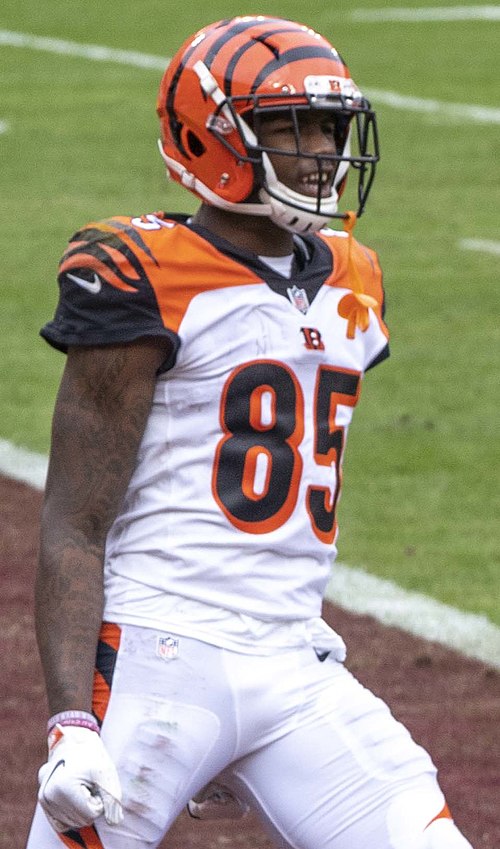
Cincinnati's offensive players already have their own cases. At publication, Ja'Marr Chase carries ADP 3 and Chase Brown sits at ADP 18 in PPR, while Tee Higgins and Joe Burrow are still their own separate draft decisions. Those prices should be judged by pass rate, target quality, route strength, workload, health, and weekly scoring environment. A defensive tackle cannot create targets, clarify the backfield, make Chase cheaper, or make Brown's workload safer.
There is an indirect team argument. A better defense can protect leads, shorten fields, and reduce the need for desperate shootouts. That helps Cincinnati as a football team. For fantasy, it can cut both ways. If the defense actually works, the offense may not need to press the same way every week.
So keep the offensive board neutral. Draft Chase, Higgins, Burrow, and Brown on their own terms. The defensive floor and opponent matchup math changed. The Bengals passing tree still has to stand on its own.
The format rule
In standard redraft, wait on Bengals D/ST and use Lawrence as a matchup adjustment. In IDP, defensive-premium, and DL-required leagues, he is the actual target after the elite defensive line tier starts to thin.
For opposing RBs and TEs, remove the automatic Cincinnati bump but do not overcorrect before the unit proves it. For Bengals offensive players, leave the board alone unless their own roles, prices, or projections change.
Wait in standard redraft; target Lawrence only where IDP scoring pays for interior disruption. The trade matters, but the edge is putting it in the right scoring bucket.
Put this article into your league context.
Open FantasyGPT with a question from this article prefilled, then add your roster and scoring details.