
Jaxon Smith-Njigba gives Seattle a first-read target who can win the conversion route. That established job moves the useful fantasy question behind him.
Seattle has a rookie listed atop the backfield, a veteran with late-season volume and a tight end whose playing time needs to turn into more routes. Those are the jobs fantasy managers still need camp to settle.
Wait for the Seahawks to show their third-down order before choosing between Zach Charbonnet and Jadarian Price.
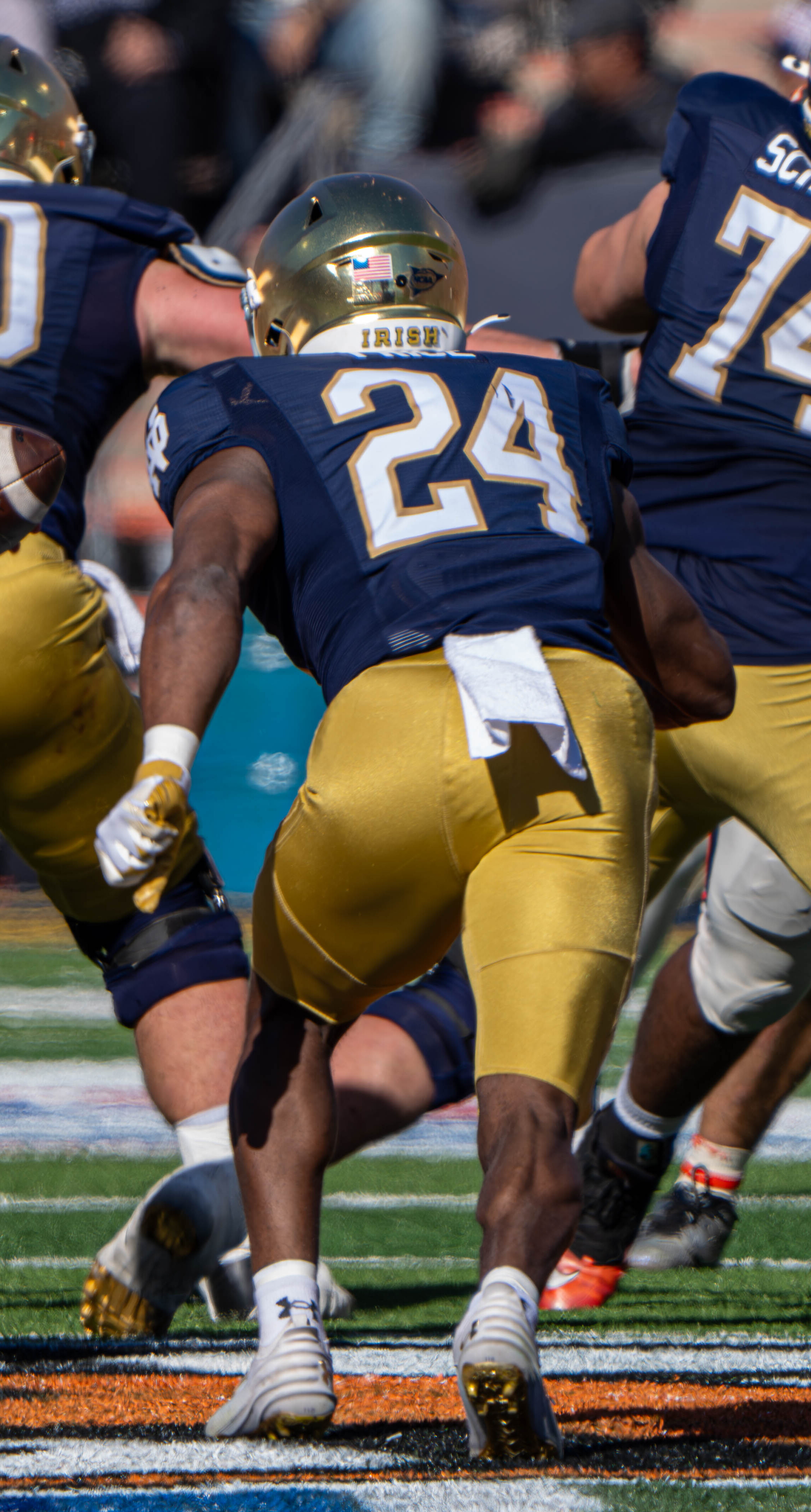
Charbonnet has the NFL workload on his side, while the July 24 depth chart gives Price the first spot. Camp shifts the order when one back owns protection and scoring-area snaps. AJ Barner is a separate tight end stash whose case depends on his assignment after the snap.
Our call is simple: Charbonnet clears 180 carries if he keeps a meaningful share of passing downs, but Price becomes the better fantasy bet if he consistently handles protection and scoring-area work with the first offense. Don't use an early camp list as the verdict. Use the snaps that coaches reserve for players they trust.
Smith-Njigba settles the premium decision
Seattle's late-season usage in FFN's 2025 record shows how Smith-Njigba's finish set the shape of this offense. During the closing five-game stretch, he drew 10.4 targets per game and commanded a 35.9 percent target share. During the last three weeks, that volume climbed again. Seattle was asking him to move the chains over and over.
FFN's July 24 PPR rankings place Smith-Njigba at WR1. The rank can move as the summer changes, but the football point is sturdier: Seattle already knows where to send a must-have throw. Rashid Shaheed can stretch coverage, Cooper Kupp can work the middle, and the tight ends can give Sam Darnold answers against pressure. Those additions can complement Seattle's best receiver.
Draft Smith-Njigba when the roster can support a premium receiver investment. The rest of this team should be handled with more patience. The 2025 Seattle tendency profile at FFN puts the pass rate at 52.9 percent, with the offense leaning slightly toward the run near the goal line. A concentrated top target can thrive in that environment while the secondary jobs remain divided.
Carry that distinction into drafts. Smith-Njigba's role is already a reason to act. Everyone else's role is a reason to watch.
Charbonnet has the strongest NFL case
For Charbonnet, FFN's 2025 usage log starts with work Seattle has already trusted him to perform. From Week 14 through Week 18, he averaged 11.8 carries and played 52.4 percent of Seattle's snaps.
The same record shows his workload rising over Weeks 16-18. Charbonnet handled 14.7 carries per game while his playing time moved above 55 percent.
Those aren't feature-back numbers. They are enough to show a player who can stay useful when the game script changes. Charbonnet didn't need Seattle to spend an afternoon protecting a lead. He could take the first-down handoff, catch a checkdown and remain available when the offense needed another series from the same back.
Week 18 against San Francisco is the memory that matters. FFN's role record gives Charbonnet 17 carries, four targets and 39 snaps in a game where Seattle ran 34 times. His fantasy case came from returning to the huddle for routine work throughout the afternoon.
FFN's July 24 projection gives Charbonnet 197 carries, which supports our 180-carry line. FFN ranks him RB33 in PPR on the same date; draft him at that tier if he keeps the third-down snaps.
A manager with stable starters can live with an unsettled September lineup spot, and the multi-down role gives the pick a path to our 180-carry call.
I want Charbonnet when the ordinary downs stay attached to the valuable ones. A back who takes the handoff after a long completion, scans the extra rusher on third down and remains on the field inside the 10 has several ways to survive a quiet rushing day. A back who leaves for the checkdown and the scoring chance can reach a respectable carry total without becoming easy to start.
The risk is sitting right above him. On July 24, Seattle's depth chart lists Price first and Charbonnet second. The listing doesn't erase last season, but it does make Charbonnet a wait rather than a summer assumption.
Price has the first chance to change the order
Price enters as a rookie after playing at Notre Dame, so there is no NFL usage line to stretch into certainty. The July 24 Seattle depth chart lists him first at running back, and team roster data identifies him as active with no prior NFL experience. The opportunity is real, though the valuable snaps still have to be earned.
The rookie's fastest route to a dependable role runs through trust. Explosive carries will get the highlights. Pressure recognition, ball security and the correct release against a blitz will keep him on the field when the offense reaches third-and-6.
Watch the sequence after a mistake. A missed crease followed by Price staying on the field for the next protection call tells us more than a long run against backups. Coaches can live with a young back learning the pace when they believe he understands the full assignment. They are much less forgiving when the quarterback takes an avoidable hit.
Price also needs to win near the goal line. Seattle's 2025 tendency profile at FFN shows a run on 52.8 percent of red-zone snaps.
That role shifts when the same back keeps a drive alive and receives the carry at the 4-yard line. Charbonnet already has evidence in a multi-down job, so his challenger has to earn both parts of the sequence.
Stash Price once he is handling full first-offense series instead of a scripted early-down package. Let the roster spot go elsewhere if most of his work comes after Darnold leaves or if Charbonnet keeps replacing him for two-minute and red-zone snaps. Being listed first matters. Staying first when the call gets complicated matters more.
Seattle's camp snap checklist
Use these plays to sort the backfield without chasing preseason box scores:
- Third-and-6 against pressure: The preferred back should identify the extra rusher, help the protection and release as a checkdown option.
- The snap after a long completion: Staying on the field shows who owns the normal drive rather than a specialty package.
- First series inside the 10: This reveals which runner gets the scoring chance before substitutions blur the result.
- Two-minute work with Darnold: Routes and protection here can separate a startable back from an early-down committee member.
Charbonnet winning three of those situations keeps him in the RB33 range because the role would combine carries with valuable passing and scoring snaps. It also supports the 180-carry call.
Price winning them makes him the better stash before a preseason touchdown draws wider attention.
The first carry in August won't decide this backfield. The snap that could end the drive will.
Barner needs routes, not ceremonial starts
Barner belongs in a different fantasy conversation. Seattle's July 24 depth chart lists him first at tight end, ahead of Elijah Arroyo and third-string Eric Saubert. The FFN role record from 2025 adds substance: over Seattle's closing five-game stretch, Barner drew 4.4 targets while playing 76.8 percent of the snaps.
His target count dipped to 4.0 over the last three weeks, but his playing time held near 78 percent. The combination shows a legitimate formation role. It doesn't guarantee enough receiving work to make him a weekly fantasy starter.
Brian Fleury's background adds a useful wrinkle. Seattle's new offensive coordinator coached San Francisco's tight ends before taking this job. His experience can help Barner stay central to formations, motion and protection adjustments. It can also make him extremely important to the offense without making him useful in fantasy.
The route is the dividing line. Barner helping the tackle before releasing into the flat keeps a target available. Barner staying attached through the entire play leaves Smith-Njigba, Shaheed and Kupp to collect the throws. Snap share tells us he is trusted to be on the field. Camp must tell us whether he is trusted to enter the pattern.
Barner is a stash in patient tight end leagues when he runs with the first offense on passing downs and gets released near the goal line. Pass if Arroyo becomes the split-out option or if Barner repeatedly remains in protection. We aren't looking for a tight end who merely witnesses the whole drive.
What changes the Seattle draft call
The clean version has Smith-Njigba dominating the passing game, Charbonnet carrying over his late workload, Price forcing a real competition and Barner adding routes to established playing time. Camp rarely gives every player the clean version.
Price can break the Charbonnet call by taking third downs and the first scoring-area series. Charbonnet can make Price wait by handling full drives and keeping the protection job. Arroyo can weaken Barner's case by becoming the obvious receiving tight end. A more distributed passing plan can also leave Smith-Njigba excellent while making every secondary target hard to start.
No active official injury-report row settles these questions right now, so don't manufacture health certainty from summer silence. Use first-offense participation, complete series, protection responsibility and scoring-chance snaps to make the decision.
Smith-Njigba is the player to draft on established volume. Charbonnet is the veteran bet once his passing-down work survives camp. Price is the stash if he owns those snaps instead. Barner earns a bench spot only when his playing time becomes a receiving assignment.
When Seattle faces third-and-6 in August, ignore the result for a moment. Find the back in protection and the tight end releasing after his block. One ordinary snap can reorder the whole list.