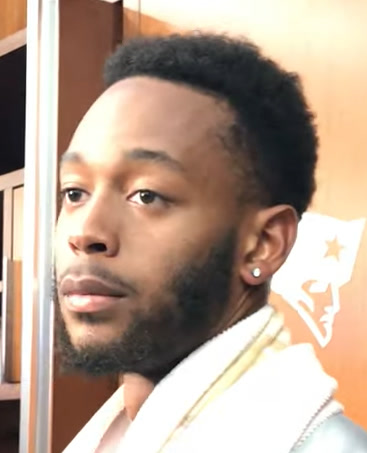
Jacksonville is not a simple value hunt. This is a role test.
In the broader tracked window, he averaged 8.0 targets with an 85.8 percent snap rate.
Trevor Lawrence • JAX At publication, Jakobi Meyers has ADP 77 and sits at WR34 in PPR.
In the closing sample, Washington's usage looked like more than a cameo: 9.7 targets and a 70.3 percent snap rate.
The move is to draft Jakobi Meyers when your roster needs a usable PPR receiver after the earlier WR tier, then wait on Parker Washington as the cheaper bench swing if the price gap stays real. The Jaguars have enough passing volume to make this room matter. They also have enough target traffic to punish any drafter who treats every receiver in the offense like the same bet.
The bet worth making: Meyers when you need a weekly job
Meyers' case starts with the kind of role that travels in PPR. Jakobi Meyers is 29 years old, so this is not a mystery-box development bet; it is a defined receiver-role bet. In the broader tracked window, he averaged 8.0 targets with an 85.8 percent snap rate. That is not a pure spike-week profile. That route-and-timing profile lowers your weekly decision cost when your lineup already has enough ceiling.
The current Jacksonville roster makes that role more important, not less. Trevor Lawrence is sharing the offense with Thomas, Meyers, Washington, Brenton Strange, Travis Hunter, Bhayshul Tuten, and the rest of a crowded pass-catching group. That crowd is the reason this cannot become a blind Jaguars stack. It is also the reason Meyers is easier to explain: he does not need to be the vertical hammer or the hybrid wild card. He needs to stay on the field, win timing routes, and give Lawrence a steady answer between the high-variance pieces.
At publication, Jakobi Meyers has ADP 77 and sits at WR34 in PPR. The number only matters because the football job is clear. If you draft him, you are not betting that Jacksonville funnels the whole offense through one receiver. You are betting that a pass-leaning team can keep one possession receiver startable while the deeper threats and specialty pieces stretch the target tree.
The failure case is target spread. The outside receiver can still be the vertical ceiling play, Strange can steal middle-of-field targets, and Hunter can force offensive touches if his role grows. If those lanes all stay active at once, Meyers can be a good real-life receiver without becoming a weekly fantasy advantage. That is why this is not an all-in click. The bet is stable volume at the point in the draft where stable volume still matters.
The bet worth waiting on: Washington after the starter tier dries up
Parker Washington is the fun counterpunch because his role moved late in the tracked sample. He led FFN's target-riser table, and his late volume score landed among the strongest signals in FFN's role data. More important than the table itself: the target share, air-yard share, snap share, and fantasy output all moved in the same direction.
That is enough to keep Washington on draft boards. It is not enough to treat him like a solved starter.
The current room is harder to climb than an empty depth chart. Washington has to win snaps around Meyers, the outside receiver, Strange, Hunter, and whatever Jacksonville asks its backs and tight ends to do under Liam Coen and Grant Udinski. That coaching setup is verified. The receiver rotation is not. Until the offense tells us which combinations it prefers, Washington belongs in the conditional bucket.
The usable path is obvious, though. In the closing sample, Washington's usage looked like more than a cameo: 9.7 targets and a 70.3 percent snap rate. If that survives into the next version of the offense, he can beat the market quickly. If it was a late-season runway created by circumstance, you paid for a surge that may not travel.
So the draft rule is simple: take Washington after the dependable WR3 and flex options are gone, not instead of them. He fits rosters that already have weekly starters and can wait for one of two things to happen: Jacksonville condenses targets, or an injury opens a cleaner lane. If you need Week 1 certainty, he is the wrong Jaguars click. If you need a bench receiver with a path to become more than a bench receiver, he belongs on the list.
Why Jacksonville gives both bets enough oxygen
The offense is the reason this debate is worth having. Jacksonville posted a 60.89 percent pass rate in the 2025 team-tendencies file, with a 62.55 percent neutral pass rate. That is not a low-volume setup where the third option needs touchdown luck to matter. There is enough air in the offense for more than one receiver to be useful.
Passing volume still does not solve role clarity. The outside receiver gives the room a vertical ceiling profile. Meyers gives it the stabilizer. Strange can matter near the middle of the field. Hunter is a cheaper conditional stash at publication, but the safer assumption is still role volatility rather than a locked weekly job. Washington is the late mover who needs one more lane to stay open.
That is the whole article in one sentence: the Jaguars can support fantasy usefulness, but they may not support every fun click at the same time.
Lawrence matters here without becoming the best fantasy answer. At publication, his PPR ranking profile carries an Avoid label because the QB price is more aggressive than the receiver bet. That does not kill the pass-catcher case. The same data set shows a positive passing environment, and FFN role data had Lawrence's attempts rising down the stretch. You can like the receiver lanes without paying the quarterback price.
The red-zone shape adds one more reason to start with role. Jacksonville's red-zone pass rate was 51.4 percent, which is not an automatic touchdown funnel. If you draft a Jaguars receiver, you should want routes and target shape to carry the pick before touchdowns do. That is where Meyers is cleaner. Washington needs the late-volume signal to stick long enough for the targets to become predictable.
Final rule of thumb
Start with the job, then check the price. Meyers is the cleaner PPR exposure point when your roster needs a receiver you can actually start. He is not the most explosive name in Jacksonville, and he does not need to be. The bet is that one stable target lane can stay useful inside a pass-heavy offense.
Washington is the upside answer if you can wait. The late role signal is worth respecting, but the current roster crowd keeps it conditional. Draft him after the starter-like receivers dry up, especially if the cost remains meaningfully cheaper than Meyers and the earlier Jacksonville ceiling bet at publication.
Price discipline is not fading Jacksonville. It is separating the receiver you can start from the receiver you stash.